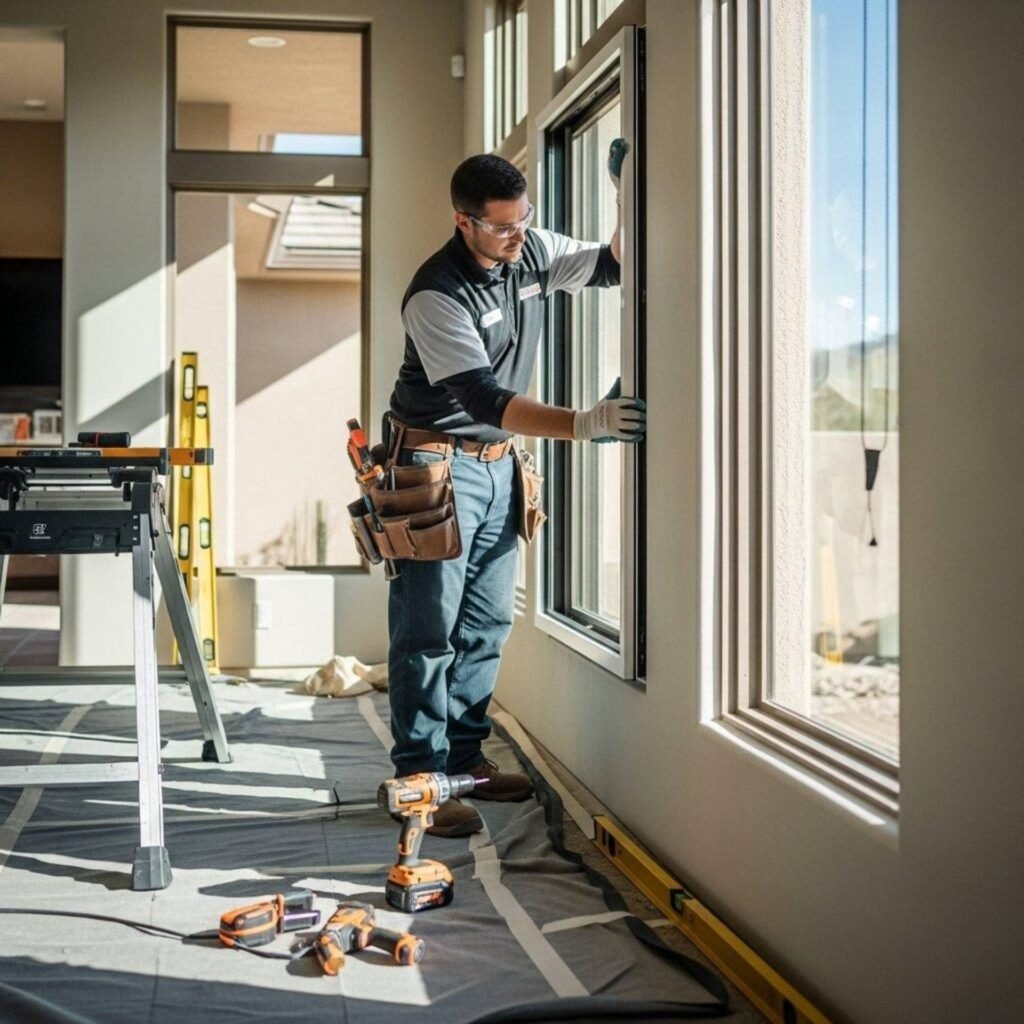
Replacing ageing windows can make a noticeable difference to how a home looks, feels and performs. Older frames may become difficult to open, allow draughts into rooms or no longer suit the style of the property. Modern designs can offer better comfort, easier maintenance and a wider choice of materials, colours and opening styles.
Before making a decision, homeowners should consider the condition of their existing windows, the character of the property and the practical needs of each room. Speaking with established window companies Watford can also help homeowners understand which frame styles, glazing options and finishes may suit their home while meeting relevant building requirements.
Know When Your Windows Need Replacing
Some windows can be repaired, but others may have reached the point where replacement is more practical. Common signs include rotting timber, warped frames, persistent condensation between glazing panes, damaged seals and windows that are difficult to close securely. Draughts around the frame can also suggest poor performance.
A professional assessment from reputable window companies Watford can help identify whether repair or replacement is appropriate. Homeowners should ask for a clear explanation of the window condition, suitable replacement options and any installation work that may be required before agreeing to proceed.
Choose a Style That Suits Your Property
Modern windows are available in many designs, so appearance should be considered alongside function. Casement windows are simple and versatile, sash windows can suit period properties, and tilt-and-turn designs can provide flexible ventilation and easier access for cleaning.
The proportions of the existing openings should also guide the choice. A design that works well on a contemporary extension may look out of place on a traditional frontage. Consider frame thickness, colour, sightlines and opening direction so the finished result looks balanced both inside and outside.
Compare Frame Materials Carefully
Common replacement window materials include uPVC, aluminium and timber. uPVC is widely chosen because it is low maintenance and available in different finishes. Aluminium can provide slimmer frames and a modern appearance, while timber offers a natural look that may suit older or character properties.
Maintenance requirements should also influence the decision. Timber generally needs more ongoing care than uPVC or aluminium, while coloured finishes may have their own cleaning recommendations. The right material will depend on budget, appearance, exposure to weather and the level of maintenance the homeowner is willing to manage.
Understand Glazing and Energy Performance
Modern replacement windows are commonly fitted with double glazing, while some systems offer triple glazing. The number of panes is only one part of performance. Glass specification, spacer bars, seals and frame design can also affect how well the window helps reduce heat loss and outside noise.
Ask for clear information about energy ratings and glazing specifications before choosing a product. It is also important to check whether safety glass is needed in certain locations, such as low-level windows or areas close to doors, baths and showers, where building regulations may apply.
Think About Ventilation, Security and Daily Use
A new window should be easy to use every day. Opening style, handle position and ventilation all matter, especially in bedrooms, kitchens and bathrooms. Some modern windows include trickle vents or other features designed to support airflow when the main window is closed.
Security deserves attention too. Ask about locking systems, hinge protection and any recognised security standards offered by the manufacturer. Ease of cleaning is another practical consideration, particularly for upper-floor windows where inward-opening or tilt functions may make routine maintenance easier.
Plan the Installation Properly
Good installation is as important as selecting the right product. Measurements must be accurate, surrounding finishes should be protected, and the frame should be correctly fitted and sealed. A written quotation should explain what is included, such as removal of old windows, disposal, making good and finishing work.
It is also sensible to check warranties, installation guarantees and whether the installer uses an appropriate competent person scheme where relevant. This can help ensure that replacement work is documented correctly and that the required certification is provided after installation.
Conclusion
Replacing old windows is an opportunity to improve comfort, appearance, security and everyday usability. Good results depend on assessing existing windows, selecting a suitable design, comparing frame materials and understanding glazing, ventilation and installation requirements.
Homeowners should avoid choosing on appearance or price alone. A well-planned project should balance style, performance, maintenance and correct fitting. Taking time to compare options and ask clear questions before work begins can help ensure the new windows remain practical and suitable for the home for years to come.