Radiators can be more than just heating units—they can be a style statement. Learn what sets designer radiators apart from standard models. From aesthetic value to advanced heat output, they’re quickly becoming a key interior design feature in today’s homes.
Radiators are no longer just about heating a room—they’ve become integral to modern interior design. Today’s homeowners expect their interiors to reflect both personality and practicality, and heating solutions are no exception. As more people seek to combine function with flair, the designer radiator has emerged as a must-have feature in stylish homes, bridging the gap between utility and aesthetics. These modern radiators don’t just warm a space—they elevate it. But what really distinguishes these high-end units from standard models? Let’s delve into the defining factors.
Aesthetic Appeal That Complements Interiors
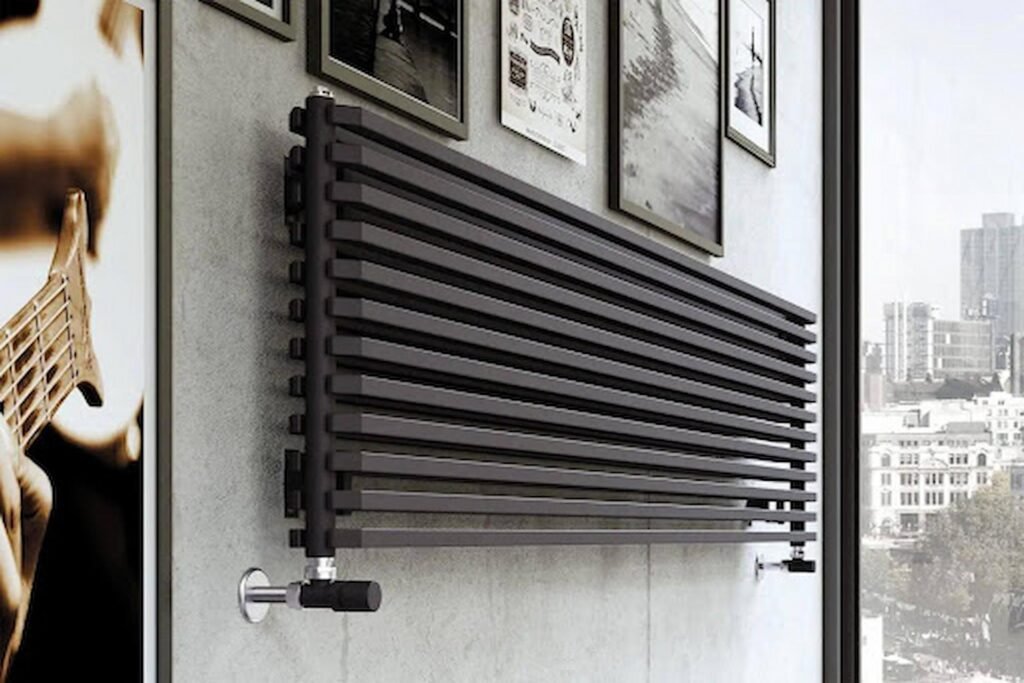
Standard radiators prioritise function over form. They’re often bulky, white, and rectangular—serving their heating purpose, but doing little to enhance a room’s visual appeal. In contrast, designer radiators are crafted with aesthetics in mind. They come in a wide variety of shapes, finishes, and colours, acting as both a heating solution and a statement piece.
From sleek vertical panels to abstract geometric patterns, these radiators can complement any décor style—whether industrial, minimalist, vintage, or ultra-modern. Some models even mimic artwork or sculpture, blending seamlessly into living rooms, kitchens, or bedrooms without looking like traditional heating units.
Customisation and Variety of Finishes
Another striking difference lies in the customisation options. Designer radiators offer:
- Multiple colour choices beyond basic white—matte black, chrome, anthracite, bronze, and even bright hues.
- A wide range of sizes and orientations to fit small bathrooms or expansive open-plan areas.
- Unique surface textures such as brushed metal, gloss lacquer, or metallic powder-coated finishes.
This makes it easier for homeowners and designers to integrate radiators into the overall theme of a room without compromise.
Enhanced Space Efficiency
Thanks to their vertical orientation and slimline design, many designer radiators take up far less wall space than standard horizontal units. This is particularly beneficial in:
- Compact flats or homes where space is at a premium.
- Bathrooms where wall space is shared with towel rails, mirrors, and cabinets.
- Hallways or corridors where horizontal placement might not be viable.
Designer radiator options like vertical columns or flat-panel models are ideal for these scenarios, offering powerful heat output without occupying large areas.
Improved Heat Distribution and Output
Many assume that designer radiators trade heat efficiency for style. However, reputable models are engineered with performance in mind. Advanced designs ensure even heat distribution, quicker warm-up times, and energy efficiency. Several models utilise convection-based technology or double-panel construction to optimise output.
Look for the following when evaluating heat performance:
- BTU (British Thermal Unit) rating that matches your room’s heating needs.
- Dual-fuel capabilities (electric and central heating) for year-round flexibility.
- Smart thermostatic valves or digital timers for precise control.
This combination of technology and style ensures that your radiator doesn’t just look good—it performs well too.
Versatility in Placement
Unlike standard radiators, which are often relegated to window walls, designer versions can be installed almost anywhere. Many models are specifically designed to fit narrow wall spaces, tuck neatly into corners or alcoves, or sit discreetly beneath low windows and along stairwells. This flexibility opens up more layout options in interior design, especially when space planning is critical.
Modern Materials and Engineering
Traditional radiators are typically made from steel or cast iron. While durable, these materials can take time to heat and are heavier to install. Designer units often use:
- Lightweight aluminium for faster heat-up and better efficiency.
- Mild steel for strength and sleek design compatibility.
- Recycled or eco-friendly metals in some ranges for sustainability-minded buyers.
These advanced materials improve both the functional and environmental aspects of the heating solution.
Minimal Maintenance and Longevity
Designer models are built to last. High-quality materials, anti-corrosion coatings, and powder finishes enhance durability. Many also come with long warranties—often up to 10 or 15 years—showcasing confidence in the product’s lifespan.
Thanks to modern coatings and simplified shapes, they are also easier to clean. Unlike finned standard radiators that trap dust, flat panels or column styles minimise grime build-up.
Tailored to Room Functionality
Certain designer radiator styles are specially adapted to different rooms:
- Towel warmers for bathrooms, available in stylish ladder or bar designs.
- Bench radiators for hallways or entry spaces.
- Mirror-panelled options for bedrooms and dressing rooms, combining two functions into one.
These hybrid functions add value beyond heating, integrating practical and decorative features in one solution.
Eco-Friendly Heating Solutions
Modern designer radiators are also being developed with sustainability in mind. High efficiency reduces energy waste, while certain models are compatible with renewable heating systems like heat pumps.
These radiators can help reduce your carbon footprint while still maintaining a comfortable home. Some brands also use low-VOC (volatile organic compound) coatings, which are safer for indoor air quality.
Suitable for Every Budget
Though often seen as luxury items, designer radiators are now available in a range of price points. You can find:
- Entry-level models with simple designs and modern finishes.
- Mid-range options that balance performance with aesthetic flair.
- Premium statement pieces crafted by renowned design houses or collaborations.
This means style and substance are no longer exclusive to high-end budgets.
Key Differences at a Glance
| Feature | Standard Radiator | Designer Radiator |
| Appearance | Basic white panel | Stylish, sculptural, colourful |
| Placement | Below windows, standard walls | Anywhere – vertical/horizontal |
| Size Range | Limited | Extensive size options |
| Material | Cast iron or basic steel | Aluminium, mild steel, more |
| Performance | Functional | Efficient and fast-heating |
| Maintenance | Moderate | Low, easy to clean |
| Design Integration | Difficult | Seamless with décor |
| Budget Range | Narrow | Wide – affordable to premium |
Making the Right Choice
Choosing the right radiator depends on your priorities. If function alone is your goal, a standard model may suffice. But if you value visual appeal, space optimisation, modern efficiency, and room customisation, a designer radiator is clearly the better choice.
It serves as a dual-purpose home upgrade—offering both warmth and design harmony. Whether renovating your home or just refreshing a space, investing in a model that combines elegance and engineering can elevate your interior significantly.
Conclusion
In today’s homes, radiators are no longer an afterthought. They’re design tools, functional elements, and energy-efficient systems wrapped into one. A designer radiator not only delivers heat—it enhances comfort, reflects your style, and supports smart living.
Whether you’re creating a modern minimalist look or restoring a period property with contemporary touches, designer radiators offer the versatility, performance, and beauty to match. And with expanding ranges on the market, it’s easier than ever to find a model that aligns with your vision and values.