Ever wondered how those massive, gravity-defying characters at major festivals are made? From the initial sketch to the moment they soar above the crowds, the creation of parade inflatables is a blend of high-tech engineering and artistic vision. Dive into the meticulous process that brings these giant spectacles to life.
When you think of a grand parade, what comes to mind? Likely, it’s the towering, colorful inflatables that make the event unforgettable. Parade inflatables are an essential part of large-scale celebrations, from festive holiday parades to major event gatherings. But how exactly are these massive structures created and prepared? It’s a combination of intricate design, skilled craftsmanship, and meticulous planning that brings these inflatable giants to life.
In this article, we’ll take a deep dive into the creation and preparation process of parade inflatables, exploring the steps involved and what makes them such an impressive part of any parade.
What Are Parade Inflatables?
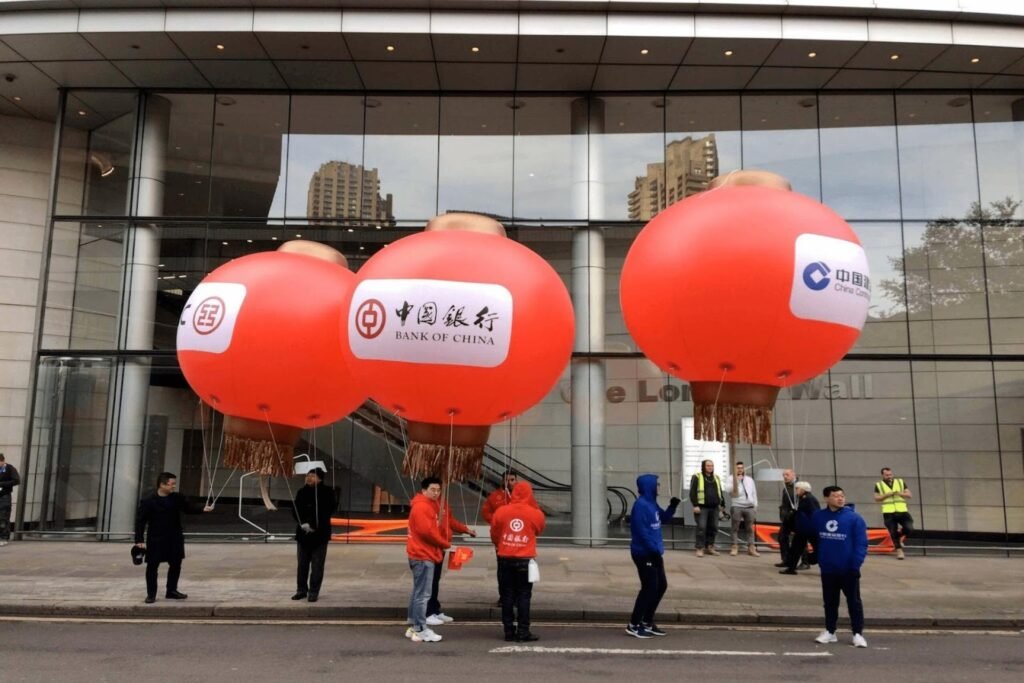
Before we get into the nitty-gritty of the production process, let’s define what parade inflatables are. Parade inflatables are large, often over-sized, inflatable structures used as floats or decorations during parades and public celebrations. These inflatables are typically made from durable materials, are designed to float or be carried, and come in various shapes and sizes – from giant characters and animals to elaborate themed designs.
Why Parade Inflatables Are Essential
Parade inflatables add a unique and engaging visual element to any event. Their vibrant colors and larger-than-life presence capture the attention of audiences and create a sense of excitement and wonder. These inflatables help bring event themes to life, whether for a holiday parade, sports celebration, or festival.
But creating such eye-catching, inflatable designs requires a significant amount of preparation, design work, and careful execution. So, let’s take a closer look at the steps involved in the process.
Step 1: Conceptualization and Design
The process begins with brainstorming ideas and sketching out the overall concept for the inflatable. This can be based on a specific theme, such as a holiday, a sporting event, or even a company mascot. Designers work closely with event organizers to understand the key visual elements that need to be incorporated.
The design phase is incredibly important, as it determines the overall look, scale, and practicality of the inflatable. Designers need to ensure the size is appropriate for the event, the design is visually compelling, and the inflatable is structurally sound. Using software tools, the sketches are transformed into detailed digital designs that take into account every curve, angle, and shape.
Tips for Successful Design:
- Focus on the event’s theme: Make sure the inflatable aligns with the event’s overall message and vibe.
- Prioritize safety: Ensure the design allows for proper ventilation and doesn’t obstruct movement or airflow.
- Keep proportions in check: Larger inflatables can sometimes appear distorted if not scaled properly, so balance is key.
Step 2: Material Selection and Fabrication
Once the design is finalized, the next step is choosing the right materials. Parade inflatables need to be lightweight, durable, and capable of withstanding the elements. The most common material used is PVC (Polyvinyl chloride), which is flexible, weather-resistant, and easy to clean. Sometimes, nylon and polyester fabrics are also used, depending on the specific inflatable’s needs.
The fabrication process starts by cutting the chosen material into large panels according to the design’s specifications. These panels are then stitched together using industrial-grade sewing machines. To ensure the inflatable’s durability, each seam is reinforced, and multiple layers are used in high-stress areas.
In addition to the main body of the inflatable, specialized accessories like ropes, valves, and vents are added. These components are critical for the safe operation of the inflatable, allowing it to be inflated, deflated, and securely anchored during the parade.
Step 3: Inflating and Testing
Once the inflatable is fully constructed, it’s time for the critical stage of inflating and testing. At this stage, large industrial fans are used to blow air into the inflatable, expanding it into its full size. The inflation process needs to be carefully monitored to avoid any over-inflation or damage to the material.
After the inflatable is inflated, it’s time to perform several tests:
- Stability Test: Ensuring the inflatable stands upright without tilting or collapsing.
- Durability Check: Inspecting the seams, vents, and ropes for any weak spots or defects.
- Movement Test: Since parade inflatables often need to be moved, testing how they maneuver through a crowd or how they interact with wind is crucial.
Pro Tip:
Always inflate the inflatable several hours before the event to ensure it has the proper shape and any last-minute adjustments can be made.
Step 4: Preparation for Transportation and Setup
Transporting inflatables to the event location is another key step in the preparation process. Because parade inflatables are so large, they often need to be deflated and folded to fit into transport vehicles. The deflation process is straightforward, but care must be taken to avoid creasing the material, as this can affect its shape and durability.
When the inflatables arrive at the event site, the next challenge is setting them up. This involves carefully inflating them once more, securing them with ropes or tethers, and making sure everything is ready for the parade to begin. The setup team works closely with event organizers to position each inflatable, ensuring they are visible and safely placed along the parade route.
Step 5: Safety and Maintenance During the Event
While the parade is in full swing, it’s essential to monitor the inflatables for any signs of wear and tear. A dedicated crew is usually on hand to ensure that each inflatable remains inflated and properly tethered during the event. Any issues with the inflatable, such as a deflation or a tear, must be addressed immediately to avoid any disruptions during the parade.
In addition, ensuring the safety of the public and the parade participants is critical. Parade inflatables should not obstruct the flow of foot traffic, and they must be securely fastened to avoid accidents due to wind or sudden movements.
Essential Safety Considerations:
- Wind Resistance: Larger inflatables can catch the wind, so ensuring they are anchored properly is crucial.
- Visibility: Make sure the inflatables are visible to both parade participants and spectators for safety.
- No Obstructions: Ensure inflatables don’t block paths or create hazards for both people and vehicles.
Conclusion: The Magic Behind the Inflatables
Creating parade inflatables is a meticulous and coordinated process that involves design, craftsmanship, material selection, testing, and on-site preparation. Every step is crucial to ensure that these oversized, colorful structures are safe, functional, and visually appealing during large events.
Whether it’s the first time you’ve seen a parade inflatable or the tenth, the work that goes into making them a reality is awe-inspiring. The next time you witness a giant inflatable gracing a parade route, remember the care and effort that went into its creation and preparation.