
Introduction
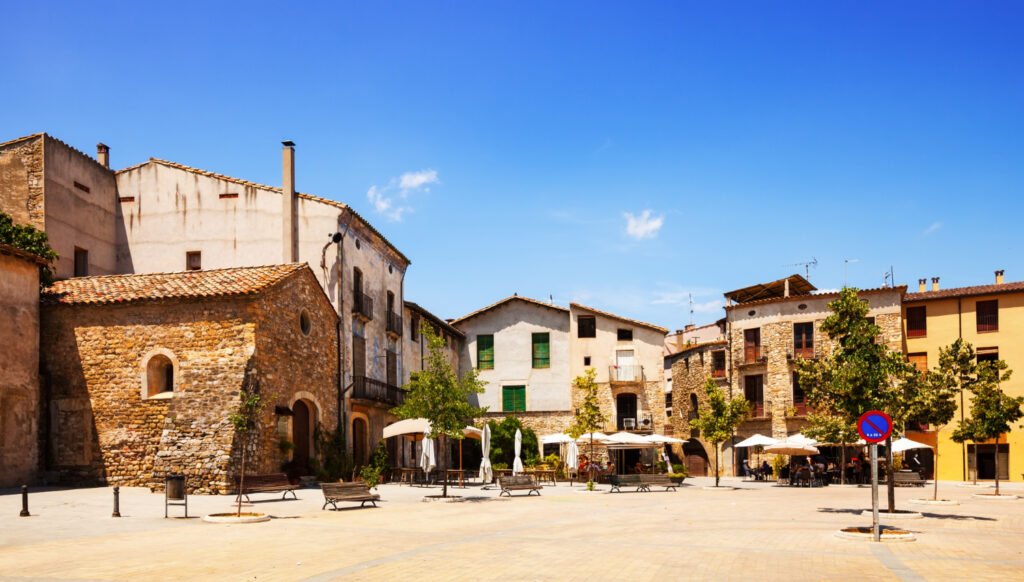
Italy is a country where history can be found almost everywhere. From ancient buildings and grand churches to small cafés and family-run shops, every place seems to have a story to tell. However, one of the best ways to experience the country is simply by walking through its historic streets. Narrow lanes, old stone buildings, colourful houses and beautiful public squares create scenes that are difficult to forget.
Many Italian cities have streets that have remained full of character for hundreds of years. Some take visitors back to the days of the Roman Empire, while others reflect the beauty of the Renaissance or the charm of medieval Italy. Walking through these streets is not only about seeing famous landmarks. It is also about noticing the small details, such as old doorways, flower-filled balconies, traditional shutters and quiet corners that often reveal the true character of a city. Whether you enjoy history, architecture, photography or relaxed sightseeing, Italy offers plenty of beautiful places to explore on foot. Each city has its own style and atmosphere, making every walk feel different. Here are some Italian cities with the most beautiful historic streets that are well worth adding to your travel list.
Rome
Rome is one of the most fascinating cities in the world for anyone who enjoys history. While famous attractions such as the Colosseum and the Trevi Fountain attract large crowds, the city’s smaller historic streets are equally enjoyable.
The streets around the Pantheon and Piazza Navona are particularly beautiful. Visitors can walk along narrow lanes surrounded by old buildings, small restaurants and traditional shops. Many streets are paved with stone, giving the area a timeless appearance.
Rome is also full of unexpected corners. You may turn down a quiet street and suddenly discover a small church, an old fountain or a charming square. The best part of exploring Rome is that history often appears when you least expect it.
Florence
Florence is known for its important role in the Renaissance, and its historic centre is filled with beautiful streets and impressive architecture. Walking through the city feels like stepping into a different period of Italian history.
The streets near the Cathedral of Santa Maria del Fiore are especially popular. Visitors can explore narrow lanes lined with historic buildings, independent shops and traditional cafés. The city is compact enough to explore on foot, making it easy to enjoy its streets at a relaxed pace.
The area around Ponte Vecchio is also worth visiting. Florence offers a wonderful mix of art, history and everyday Italian life, making even a simple walk through the city feel special.
Venice
Venice is unlike any other city in Italy. Instead of busy roads and cars, visitors will find canals, bridges and narrow pedestrian streets. Exploring Venice can feel like wandering through a maze, but that is part of its charm.
The smaller streets, known as calli, are often narrow and full of character. Some lead to quiet canals, while others open into beautiful little squares. The buildings can be colourful and slightly weathered, adding to the city’s historic atmosphere.
Away from the busiest tourist areas, Venice becomes quieter and more peaceful. A slow walk through its hidden streets can reveal a more authentic and memorable side of the city.
Siena
Siena is a beautiful medieval city in the Tuscany region. It is well known for its historic centre, which has kept much of its traditional appearance.
The streets of Siena are often narrow, winding and built around the natural shape of the hills. Old brick buildings and stone pathways create a warm and welcoming atmosphere. The famous Piazza del Campo is one of the city’s main highlights, but the streets leading towards it are just as enjoyable.
Walking through Siena gives visitors the chance to experience a city that feels closely connected to its past. Its medieval streets have a strong sense of character that makes the city stand out from many other Italian destinations.
Bologna
Bologna is famous for its food, university and beautiful historic architecture. One of its most recognisable features is its long covered walkways, known as porticoes.
These covered streets allow visitors to walk through large parts of the city while enjoying the historic surroundings. The buildings often feature warm colours, including shades of red, orange and yellow, giving Bologna a distinctive appearance.
The historic centre is filled with interesting streets, traditional markets and small cafés. Bologna feels lively and welcoming, combining historic beauty with a strong sense of everyday local life.
Verona
Verona is often associated with romance, partly because of its connection with Shakespeare’s Romeo and Juliet. However, there is much more to the city than its famous literary connection.
Its historic streets are filled with elegant buildings, attractive squares and impressive Roman landmarks. Visitors can enjoy walking through the old centre, where narrow streets connect beautiful public spaces.
Piazza delle Erbe is one of the most enjoyable areas to explore, with historic buildings surrounding the square. Verona has a romantic and relaxed atmosphere that makes its historic streets particularly pleasant for an afternoon walk.
Lucca
Lucca is one of Tuscany’s quieter and more peaceful cities. It is surrounded by well-preserved historic walls, and its old centre is full of narrow streets and charming squares.
Unlike some larger Italian cities, Lucca has a calm atmosphere. Visitors can take their time walking through the historic centre without feeling rushed. The streets are lined with old houses, churches and small local businesses.
Cycling and walking are both popular ways to explore the city. Lucca is an excellent choice for travellers who want to enjoy historic Italian streets at a slower and more relaxed pace.
Naples
Naples has a completely different energy from many other Italian cities. Its historic streets are busy, colourful and full of life. The city has a strong personality, and this can be felt everywhere.
The narrow streets of the historic centre are filled with small shops, cafés, churches and local businesses. Laundry hanging from balconies and people talking from doorways create a lively everyday atmosphere.
Naples may feel busy and slightly chaotic at times, but that is part of its appeal. Its streets offer a genuine and energetic experience of Italian city life, where history and modern life exist side by side.
Genoa
Genoa is a historic port city with a fascinating old centre. Its narrow streets, often called caruggi, create a maze-like network that is enjoyable to explore.
The streets can be surprisingly narrow, with tall buildings standing close together. As you walk through the old centre, you may discover small squares, historic churches and traditional shops.
Genoa has a different atmosphere from cities such as Florence or Rome. Its historic streets feel mysterious and full of hidden surprises, making exploration part of the experience.
Matera
 Matera is one of the most unique places in Italy. It is famous for its ancient cave homes and historic areas carved into the rocky landscape.
Walking through Matera is very different from walking through a traditional Italian city. Stone pathways, stairways and narrow passages connect the old parts of the city. The historic streets blend naturally with the surrounding rock.
The area has a remarkable atmosphere, particularly in the early morning or evening. Matera offers a truly distinctive experience for travellers looking to see a different side of Italy’s history.
Frequently Asked Questions
Which Italian city has the most beautiful historic streets?
This depends on personal taste, but Rome, Florence, Venice and Siena are among the most popular choices. Each city has its own unique style and historic atmosphere.
Is it easy to explore Italian historic cities on foot?
Yes, many Italian historic centres are best explored on foot. Cities such as Florence, Venice, Siena and Lucca are particularly enjoyable for walking.
What is the best time to visit Italian cities for walking?
Spring and autumn are often comfortable times for walking because the weather is usually pleasant. Summer can be very warm, especially in popular cities.
Which Italian city is best for a quieter historic experience?
Lucca and Siena are good choices for travellers looking for a calmer atmosphere. Both offer beautiful historic streets without the same level of crowds found in some larger cities.
Are historic streets in Italy suitable for families?
Yes, many Italian cities are suitable for families. However, some historic areas have uneven stone paths, steep streets or many steps, so comfortable footwear is recommended.
Final Thoughts
Italy is a wonderful destination for travellers who enjoy exploring on foot. Its historic streets offer much more than beautiful views. They provide a closer look at the country’s past, culture and everyday life. From the grand streets of Rome and the Renaissance beauty of Florence to the quiet charm of Lucca and the unique stone pathways of Matera, every city has something different to offer. One of the greatest pleasures of visiting Italy is taking time to wander without a strict plan. Some of the most memorable experiences can happen away from the main attractions. A quiet lane, a small family café, an old doorway or a peaceful square can often become the highlight of the day.
These cities show just how varied Italy can be. Venice offers a world of canals and bridges, Naples brings energy and colour, while Siena provides a strong connection to medieval history. No matter which destination you choose, walking through its historic streets can help you experience the city in a more personal and meaningful way. So, when planning your next Italian adventure, leave plenty of time for walking. Put away the map occasionally, take a different street and see where it leads. You may discover that the most beautiful part of Italy is not always a famous landmark, but a quiet historic street waiting to be explored.


