Staying active doesn’t require a gym membership, fancy machines, or expensive fitness gear. What truly matters is commitment, not the cost of your equipment. With just your bodyweight, a bit of open space, and a few minutes each day, you can start transforming how you feel both physically and mentally. Regular movement strengthens your muscles, improves flexibility, enhances balance, and boosts overall energy levels, all while reducing stress and sharpening focus.
Whether you live in a compact apartment, work long hours, or simply struggle to find time for the gym, these five beginner-friendly workouts are crafted to fit seamlessly into your lifestyle. Each routine is short, simple, and highly effective, proving that fitness isn’t about where you train but how consistently you move. From gentle stretches to full-body exercises, these workouts make staying active possible for everyone, no excuses, no equipment, just results.
1. Morning Energiser: 10-Minute Full-Body Wake-Up
Kickstart your day with this gentle, full-body sequence that wakes up your muscles and gets your blood flowing.
Start with two minutes of light marching or jogging in place, followed by 10 squats, 10 arm circles, and 10 lunges (each leg). Then add a 30-second plank and finish with slow neck rolls.
Tip: Pair this with your morning coffee ritual — it’s a natural energy boost that lasts all day.
2. Cardio Circuit: Get Your Heart Pumping
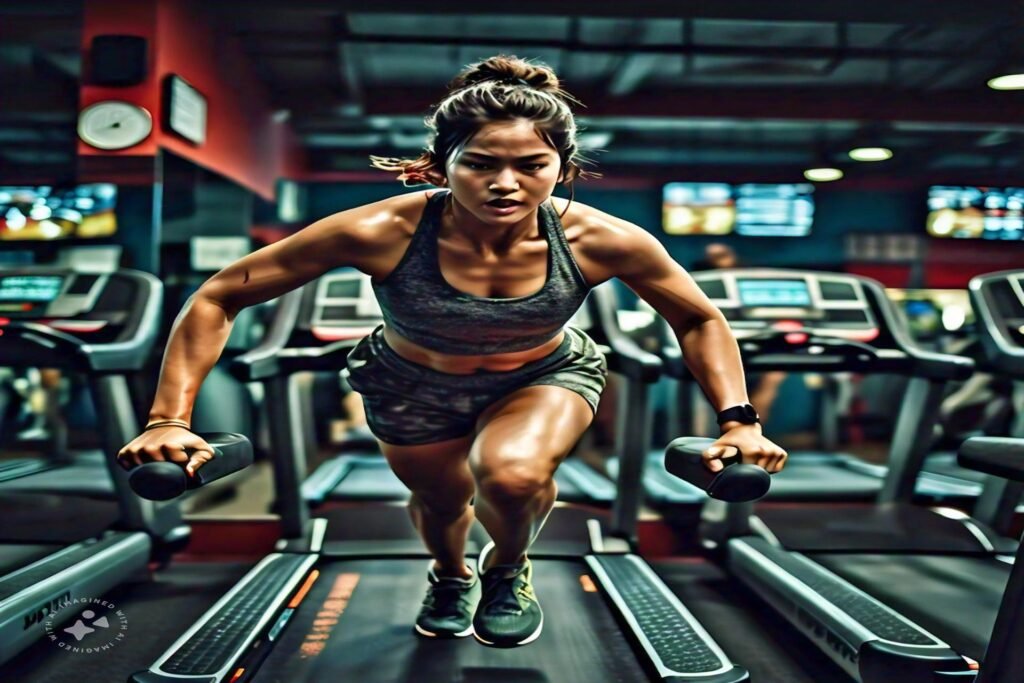
When you’re short on time but want a good sweat, this five-move cardio circuit works wonders.
Try 30 seconds each of jumping jacks, high knees, mountain climbers, butt kicks, and squat jumps. Rest for 30 seconds, then repeat twice.
Did you know? Even 10 minutes of moderate cardio daily can lower your risk of heart disease and boost mood, according to Harvard Health Publishing.
3. Strength Builder: No-Equipment Power
Strength training builds lean muscle, supports joints, and boosts metabolism — no dumbbells required.
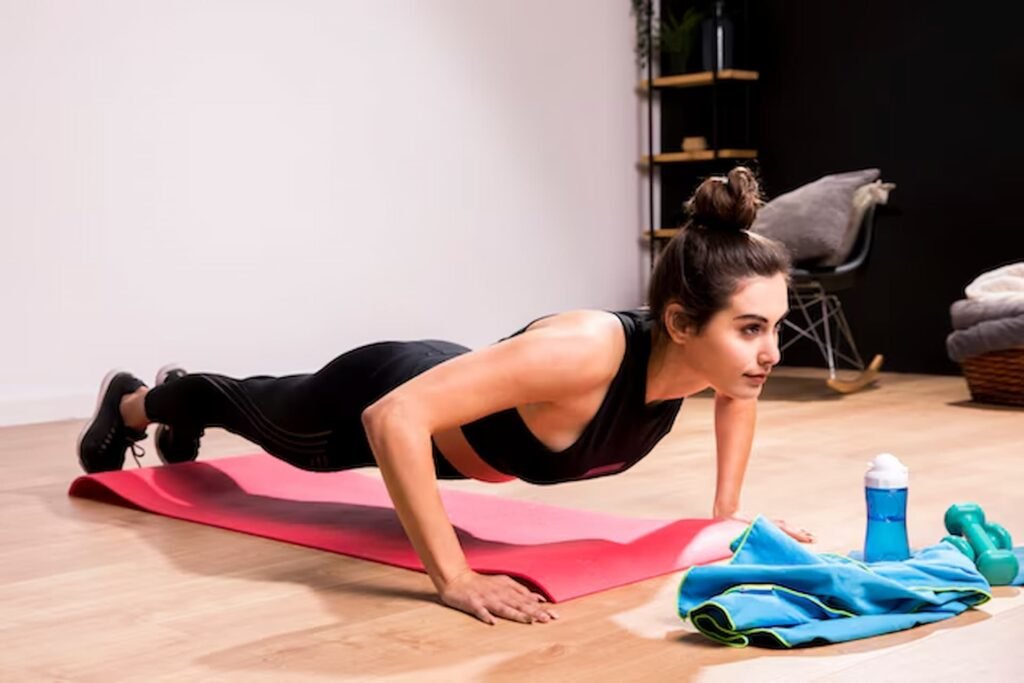
Do three rounds of 10 push-ups (modify with knees down if needed), 15 squats, 10 tricep dips using a chair, and 20 standing calf raises. Rest one minute between rounds.
Pro Tip: Focus on form, not speed. Controlled movements improve results and reduce injury risk.
4. Flexibility Flow: Simple Stretch & Breathe
Perfect for unwinding after work or a long day, this five-minute flow eases stiffness and improves posture.
Start with a standing forward fold, move into a lunge stretch on each side, then a seated twist. End with shoulder rolls and deep breathing.
Quick takeaway: Regular stretching improves flexibility and circulation, helping muscles recover faster and reducing soreness.
5. Core & Balance Boost: Stability Matters
A strong core supports your entire body — from better posture to lower back protection.
Try this 8-minute set: 30-second plank, 15 sit-ups, 10 glute bridges, and 10 leg raises. Repeat twice.
Finish with side stretches and gentle hip rotations to release tension.
Try this: Balance on one leg while brushing your teeth — a fun micro-exercise that trains coordination daily.
Conclusion: Start Small, Stay Consistent
Building a fitness habit is less about intensity and more about consistency. You don’t need to push your limits every day or chase perfection to see results. What truly counts is showing up — even for 15 to 20 minutes. Small, regular efforts can make a big difference, improving your strength, stamina, flexibility, and overall mood over time.
Whether it’s a quick morning energiser that sets a positive tone for your day or an evening stretch that helps you unwind and reset, the key is to find what feels good for your body and your schedule. Listen to your energy levels, celebrate small victories, and remember — movement is self-care, not a chore.
Start where you are, use what you have, and move in ways that make you feel alive. Over time, these small steps will turn into a sustainable habit that strengthens not just your body but also your confidence and mindset.
FAQs
1. How often should beginners exercise at home?
Beginners can start with 3–4 sessions per week, each lasting 15–30 minutes. As stamina improves, gradually increase frequency or intensity.
2. What equipment is needed for these routines?
None! These workouts rely on bodyweight movements. A yoga mat or sturdy chair can be an optional addition for comfort and support.
3. Are short workouts really effective?
Yes. Research shows that even brief sessions — as little as 10 minutes — improve heart health, flexibility, and mental well-being when done consistently.
4. How can I stay motivated to work out at home?
Set a specific time, track your progress, and celebrate small wins. Music, online videos, or a fitness buddy can make workouts more engaging.
5. Can these workouts help with weight loss?
Combined with a balanced diet, regular activity helps burn calories, build lean muscle, and improve overall fitness, supporting gradual weight loss over time.