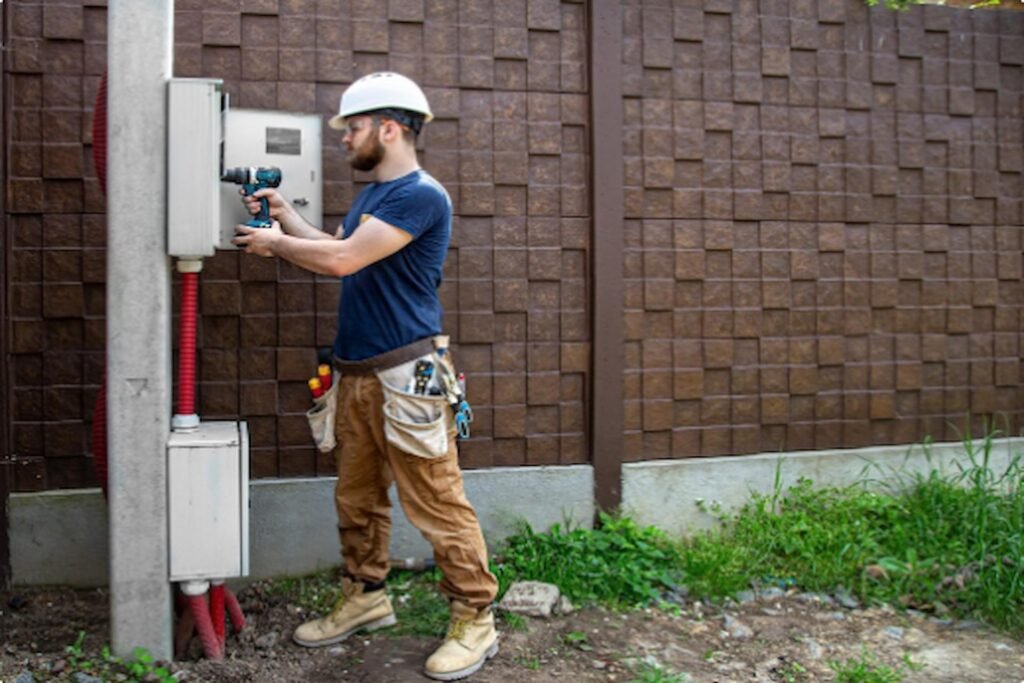
Installing a weatherproof enclosure is not just about fixing a box to a wall. It is about protecting sensitive electronics from water, dust, heat and impact. A poor installation can weaken even the strongest enclosure. On the other hand, correct installation can extend equipment life by years.
Modern outdoor systems rely on sealed cabinets and protective housings. From control panels to communication units, electronics need secure protection. High-quality options such as GTT Wireless – weatherproof electronic enclosures are designed for harsh outdoor and industrial environments. However, their performance depends heavily on how they are installed.
This guide explains how to install enclosures properly to ensure maximum durability and long-term reliability.
Start With the Right Location
The first step is choosing the correct installation spot. Even a weatherproof enclosure benefits from smart placement. Avoid low-lying areas where water can collect. Standing water increases long-term moisture exposure.
If possible, mount the enclosure under partial shelter. A small overhang reduces direct rain impact. In coastal regions, avoid areas exposed to salt spray. In industrial sites, stay clear of heavy vibration zones.
When installing GTT Wireless – weatherproof electronic enclosures, think beyond convenience. Choose a location that reduces environmental stress from the start. This simple decision strengthens protection before installation even begins.
Prepare a Stable Mounting Surface
A strong enclosure needs a strong base. Weak walls or unstable poles can lead to movement over time. Vibration causes seal damage and loose fittings.
Mount the enclosure on solid concrete, brick or reinforced steel supports. Ensure the surface is flat and level. Uneven surfaces strain the casing and affect door alignment.
Use corrosion-resistant bolts and fixings. Stainless steel fittings are ideal for outdoor use. They resist rust and maintain structural strength.
Proper mounting keeps the enclosure secure during wind, vibration and minor impact. Stability protects both the housing and the electronics inside.
Seal All Entry Points Carefully
Cable entry is a common failure point. Even small gaps allow water and dust to enter. Therefore, every cable opening must be sealed tightly.
Use high-quality cable glands suited to outdoor conditions. Ensure they match the cable size exactly. Loose fittings reduce protection.
After routing cables, inspect each entry point carefully. Press seals firmly into place. Check that gaskets are not twisted or damaged.
Good sealing prevents moisture build-up, dust ingress and internal corrosion. It also maintains the enclosure’s protection rating.
Protect Against Water Run-Off
Water naturally flows downward. If cables enter from the top, rainwater may follow the cable into the enclosure. This is a frequent installation mistake.
Create a small drip loop in each cable before entry. This simple curve allows water to fall away instead of running inside. It is a small detail with a big impact.
Also ensure the enclosure door closes tightly. Check the rubber gasket around the door frame. It should sit evenly without gaps. If the seal is damaged during installation, replace it immediately.
Water resistance depends not only on design but also on careful fitting.
Allow for Ventilation Without Compromising Protection
Sealed enclosures can trap heat. Over time, excessive internal temperature affects electronic components. Therefore, plan for safe airflow where required.
Some enclosures support filtered vents or protective breathing systems. These allow air movement while blocking water and dust. If the site experiences strong sunlight, consider shade or thermal barriers.
Do not drill extra holes for ventilation unless approved by the manufacturer. Unauthorised changes weaken protection.
Balanced ventilation ensures safe operating temperature while maintaining full environmental sealing.
Secure Internal Components Properly
Inside the enclosure, components must be fixed firmly. Loose mounting plates or unsecured devices create strain during vibration.
Use proper mounting rails or brackets. Keep wiring neat and organised. Avoid tight bends in cables. Strain relief clips prevent movement at connection points.
Good internal organisation improves airflow and simplifies maintenance. It also reduces the risk of electrical faults caused by loose connections.
Neat installation reflects professional workmanship and supports long-term performance.
Check Door Alignment and Locking Systems
After installation, inspect the door alignment carefully. The door should close smoothly without force. Misalignment weakens the seal and allows water entry.
Test the locking mechanism several times. It must secure firmly without sticking. In outdoor environments, locks should resist corrosion and dirt.
A well-sealed and secure door protects against unauthorised access and environmental damage. It also maintains consistent enclosure performance over time.
Inspect and Test After Installation
Installation is not complete without inspection. Check all fixings, seals and cable entries once more. Look for visible gaps or uneven surfaces.
If possible, perform a controlled water spray test. This helps confirm sealing integrity. Do not assume protection without verification.
Routine inspection builds trust in the installation quality. It also prevents early failures that could affect equipment reliability.
Plan for Ongoing Maintenance
Durability depends on maintenance as well as installation. Schedule periodic checks to inspect seals, hinges and fixings. Clean the enclosure surface to remove dirt build-up.
Check for rust, cracks or seal wear. Replace worn parts promptly. Preventive care protects the enclosure and extends equipment life.
Even the strongest weatherproof cabinet benefits from regular attention.
Conclusion
Installing weatherproof electronic enclosures requires careful planning and precise execution. Strong materials alone do not guarantee durability. Location choice, secure mounting, proper sealing and organised internal layout all play critical roles.
Small details such as drip loops and gasket alignment make a significant difference. Furthermore, inspection and ongoing maintenance protect the investment long term.
When installed correctly, a high-quality enclosure shields electronics from water, dust, heat and impact. It ensures consistent performance in demanding outdoor and industrial environments. In harsh conditions, careful installation is not optional. It is essential for lasting protection and dependable operation.