The construction industry is undergoing a profound structural shift. Modern project managers face a dual challenge that previously seemed contradictory: accelerating project timelines while drastically reducing carbon footprints. With strict environmental regulations, rising material costs, and thin margins, traditional methods of material transport and waste management are no longer viable. Efficient site logistics are now recognised as the foundation of sustainable development. By optimising how materials enter and leave a site, civil engineering firms can eliminate costly delays, minimise community disruption, and significantly lower emissions.
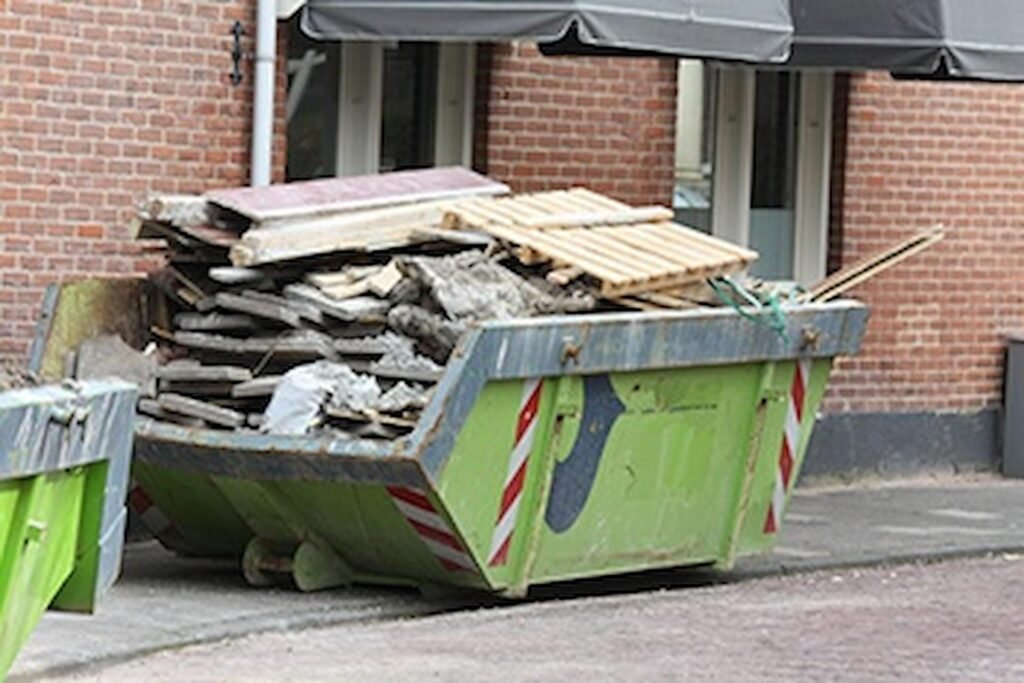
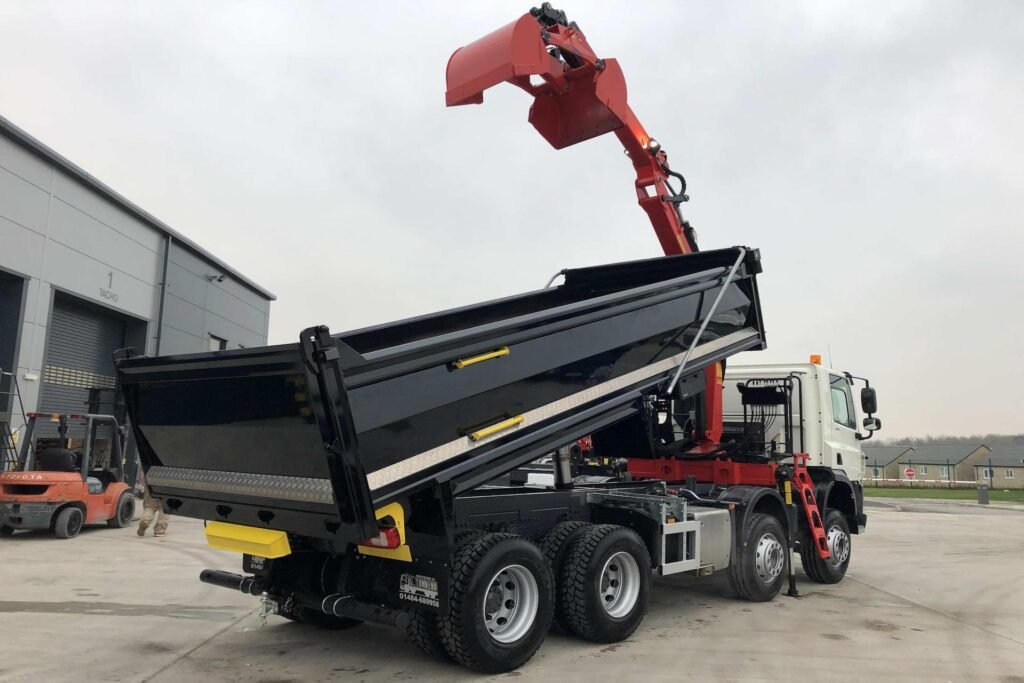
Overcoming these modern logistical hurdles requires an intelligent blend of technical innovation and agile machinery. In highly active development corridors, such as Berkshire, companies are moving away from cumbersome skip logistics in favor of more dynamic alternatives. Utilising specialised grab lorry hire Slough services allows contractors to clear large volumes of inert waste, soil, and concrete directly from the ground. This method bypasses the need for manual loading or leaving multiple static metal containers on restricted roads, instantly boosting site clearance speeds while cutting down on vehicle turnaround times.
Overcoming Urban Access and Congestion Hurdles
Modern building sites, particularly in dense urban locations, are increasingly constrained by narrow access routes, strict low-emission zones, and limited physical storage space.
Consolidation Hubs and Just-In-Time Delivery
To reduce the number of heavy goods vehicles entering city centres, forward-thinking contractors utilise construction material consolidation hubs located on urban fringes. Large bulk shipments are broken down at these hubs and reorganised into single, well-packed vehicles for precise delivery times. This approach prevents trucks from idling outside sites, reduces local air pollution, and ensures that building materials arrive only when the site crew is ready to install them, eliminating clutter and keeping work areas safe.
Specialised Fleet Versatility
- Hydraulic Crane Extensions: Long-reach mechanical arms can access waste or drop off aggregates over high perimeter fences, past tree lines, and around structural scaffolding.
- Large Volume Capacity: Modern multi-axle tippers and grab trucks can carry up to sixteen tonnes of debris per journey, halving the number of individual trips required compared to small skip trucks.
- Reduced Manual Labor: Mechanical buckets load materials directly from aggregate piles into the vehicle chassis, allowing site workers to focus on specialised construction tasks.
The Sustainable Evolution of Waste Logistics
Smarter transport is directly linked to better material recovery. In the modern circular economy, construction waste is no longer viewed as refuse; it is a valuable source of secondary aggregates.
Direct Recycling and Zero Landfill Targets
When earth and concrete are collected efficiently, they can be processed quickly at local recycling facilities. Specialised transport networks ensure that brick, soil, and concrete are kept separate at the source, preventing cross-contamination. By securing certified grab lorry hire Slough operators, project managers can ensure that excavated subsoil and demolition debris are diverted directly to washing and crushing plants. This process transforms raw muck into certified recycled Type 1 aggregate, ready to be used as sub-base material for new infrastructure projects.
Lowering the Carbon Footprint of Fleet Operations
Fleet optimisation software now calculates the most fuel-efficient routes for heavy machinery, avoiding traffic bottlenecks and reducing diesel consumption. Furthermore, the integration of Euro 6 compliant engines and hybrid power systems across commercial transport fleets helps construction companies meet strict corporate social responsibility targets, ensuring projects comply with clean air initiatives.
Key Features of Next-Generation Site Logistics
To establish a highly efficient, future-proof transport strategy, site planners should look for specific operational capabilities when choosing logistics partners:
- Real-Time Telematics Tracking: GPS-enabled fleet management tools provide precise arrival estimates, helping managers coordinate ground crews perfectly.
- Automated Weighing Systems: On-board scales prevent overloading violations, ensuring vehicles operate safely and legally on public highways.
- Digital Waste Transfer Documentation: Instant electronic receipts provide a clear, paperless audit trail for environmental compliance reporting.
- All-Terrain Chasis Engineering: Enhanced suspension and drive-train systems allow heavy vehicles to traverse deep mud and uneven ground easily.
- Multi-Directional Tipping Systems: Advanced mechanics allow loads to be discharged from the rear or sides, providing immense flexibility in confined spaces.
Building a Resilient Infrastructure Strategy
The trajectory of the construction sector points towards total operational integration. As smart city infrastructure expands and carbon taxation tightens, the logistics of moving materials will differentiate successful projects from delayed, over-budget developments. Investing in dynamic transport options, regional consolidation networks, and data-driven recycling pathways allows developers to future-proof their operations. By treating site transport as a core pillar of environmental engineering, the building sector can deliver essential housing and infrastructure while preserving local ecosystems and lowering urban congestion.
Efficient Site Operations
Innovative transport methods are changing the face of modern construction logistics. By replacing outdated waste systems with modular, high-capacity machinery and smart delivery methods, developers can achieve faster project completions and smaller environmental impacts. Utilising advanced vehicle capabilities simplifies operations on tight municipal sites while ensuring high rates of material recycling. Adopting these proactive, technology-led transport practices allows the building industry to meet tough green targets, keeping projects cost-effective and legally compliant in a rapidly changing economic world.