A home can feel perfectly safe one moment and present an emergency the next. A burst pipe can flood a room within minutes, while an electrical fault can create serious safety risks without much warning. These situations are not only stressful but can also cause significant damage if left unresolved.
Many homeowners, landlords, and property managers try to determine whether a problem can wait until normal business hours. In some cases, that decision can lead to more extensive repairs, higher costs, and increased safety concerns. Understanding when to seek professional assistance is an important part of responsible home maintenance and property safety.
This guide explores the most common plumbing and electrical emergencies, explains the risks of delaying repairs, and outlines the steps you should take when urgent problems occur.
Common Plumbing Emergencies Homeowners Face
Plumbing systems work quietly in the background every day, which makes it easy to overlook their importance until something goes wrong. Unfortunately, plumbing issues can escalate quickly.
Burst Pipes
A burst pipe is one of the most damaging plumbing emergencies a homeowner can face. Whether caused by freezing temperatures, ageing pipework, or excessive pressure, a burst pipe can release a large volume of water into the property within a short period.
Water can damage walls, flooring, insulation, furniture, and personal belongings. The longer the leak continues, the greater the restoration costs become.
Major Leaks
Not all leaks involve burst pipes. Faulty joints, damaged fittings, or failed appliances can cause significant water loss and property damage.
Even a seemingly minor leak can create hidden moisture problems that encourage mould growth and structural deterioration.
Overflowing Toilets
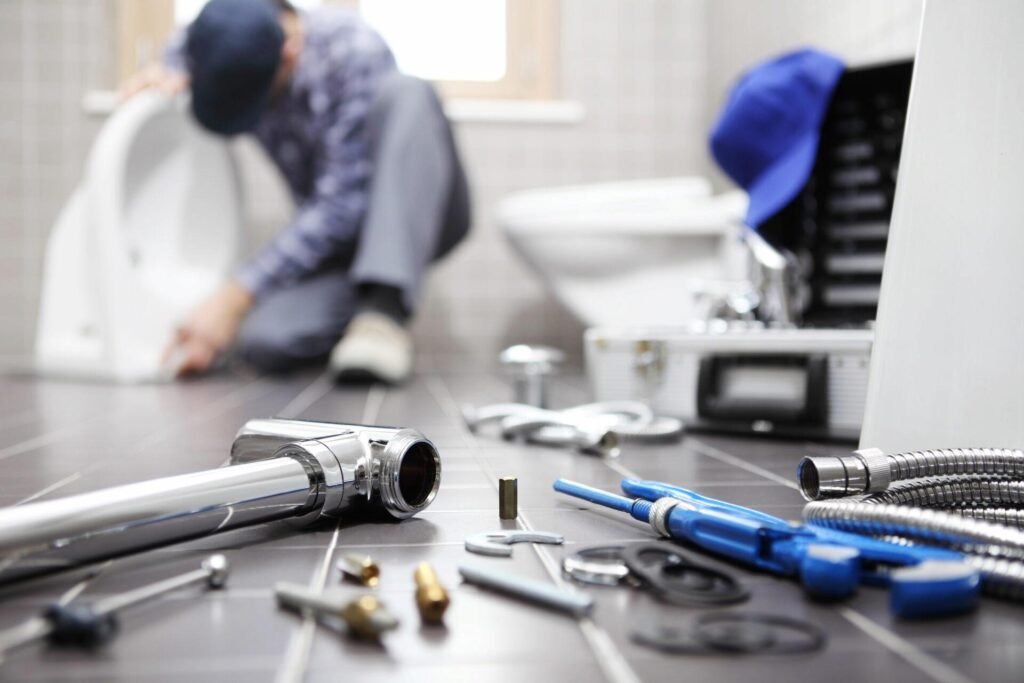
An overflowing toilet is more than an inconvenience. It presents hygiene concerns and can quickly affect surrounding flooring and fixtures. If the blockage cannot be cleared safely, professional assistance is often required.
Blocked Drains
Severely blocked drains can prevent wastewater from leaving the property properly. In extreme cases, waste can back up into sinks, showers, and toilets.
No Hot Water
A sudden loss of hot water can indicate issues with the boiler, water heater, or associated plumbing systems. During colder months, this can become particularly disruptive.
Water Pressure Problems
Sudden drops in water pressure may point to hidden leaks, pipe damage, or supply issues. Investigating the cause promptly can prevent more serious complications.
When dealing with any of these issues, finding a fast emergency plumber can help minimise damage and restore essential services before problems become more severe.
Electrical Emergencies That Require Immediate Action
Electrical issues should never be taken lightly. Unlike many plumbing problems, electrical faults can present immediate risks to both property and personal safety.
Partial Power Outages
If only part of your property loses power while the rest remains operational, there may be a fault within the electrical system itself.
This could indicate wiring problems, damaged circuits, or overloaded components that require professional investigation.
Burning Smells from Sockets
A burning smell coming from sockets, switches, or electrical panels should always be treated as an emergency.
The odour may indicate overheating wiring or damaged components that could potentially lead to fire.
Sparking Outlets
Occasional small sparks may occur under certain circumstances, but frequent or large sparks should never be ignored.
Sparking often signals electrical faults that require immediate attention.
Exposed Wiring
Damaged or exposed wiring presents a direct risk of electric shock. It can also increase the likelihood of short circuits and fires.
Repeated Circuit Breaker Trips
Circuit breakers are designed to protect the property by shutting off power when dangerous conditions are detected.
Frequent tripping often suggests an underlying electrical fault that needs professional diagnosis.
Electrical Shocks
Any electrical shock, even a mild one, should be taken seriously. It may indicate faulty wiring, damaged appliances, or grounding issues.
In situations involving these risks, getting a qualified emergency electrician is essential to protect both occupants and the property itself.
Warning Signs You Should Never Ignore
Many emergencies provide warning signs before developing into major problems. Recognising these indicators early can save considerable time and money.
Watch for:
- Water stains on ceilings or walls
- Damp patches that continue to spread
- Unusual pipe noises
- Persistent dripping sounds
- Flickering lights
- Buzzing electrical outlets
- Burning odours
- Sudden changes in water pressure
- Frequently tripping breakers
- Unexpected increases in utility bills
Early intervention often turns a major repair into a minor maintenance task. Ignoring these warning signs allows damage to worsen over time.
What to Do Before Help Arrives
While waiting for emergency repairs, there are several practical steps homeowners can take to reduce damage and improve safety.
Shut Off the Water Supply
If a leak or burst pipe is involved, locate the property’s main water shut-off valve and turn it off immediately.
Stopping the water flow can significantly reduce damage.
Turn Off Electricity When Necessary
If water is near electrical outlets, wiring, or appliances, avoid contact and switch off the power if it is safe to do so.
Never attempt electrical repairs yourself.
Protect Valuable Belongings
Move furniture, electronics, and personal items away from affected areas whenever possible.
Contain the Damage
Use buckets, towels, or temporary barriers to limit water spread while awaiting assistance.
Document the Situation
Taking photographs can be helpful when dealing with insurance claims related to emergency repairs.
How Emergency Professionals Minimise Damage
Professional emergency services are designed to address urgent problems quickly and efficiently.
Rapid Diagnosis
Experienced technicians can identify the root cause of a plumbing emergency or electrical emergency faster than most homeowners.
Temporary Repairs
In some situations, temporary measures may be implemented immediately to prevent additional damage while permanent solutions are arranged.
Permanent Solutions
Once the immediate threat has been controlled, technicians can carry out lasting repairs that restore normal operation.
Safety Inspections
Emergency plumbers and electricians often inspect surrounding systems to identify any additional concerns.
Preventative Advice
Professional assessments frequently uncover maintenance opportunities that can help prevent future emergencies.
Whether dealing with burst pipe repair, urgent plumbing repairs, or electrical fault repair, expert intervention helps reduce long-term risks.
Preventing Future Plumbing and Electrical Emergencies
Although not every emergency can be avoided, preventative maintenance greatly reduces the likelihood of serious problems.
Schedule Regular Inspections
Routine inspections can identify wear and tear before it develops into an emergency.
Address Minor Problems Promptly
Small leaks, unusual noises, and electrical irregularities should never be ignored.
Upgrade Ageing Systems
Older plumbing and electrical systems may no longer meet modern demands.
Investing in upgrades can improve reliability and efficiency.
Monitor Water and Energy Usage
Unexpected increases in utility bills often indicate hidden issues that require investigation.
Create a Maintenance Plan
Property owners who follow a structured maintenance schedule are often less likely to experience unexpected breakdowns.
Consistent home maintenance remains one of the most effective ways to avoid costly emergency repairs.
Conclusion
Home emergencies rarely occur at convenient times. Whether it’s a burst pipe flooding a room or an electrical fault creating a potential fire hazard, acting quickly can make a significant difference.
Prompt action helps protect your property, minimise repair costs, and safeguard the people who live or work within the building. While some minor issues can wait for routine appointments, genuine plumbing and electrical emergencies require immediate professional attention.
By recognising warning signs early, maintaining your property’s systems, and responding appropriately when problems arise, homeowners can reduce risks and keep their properties safe, functional, and well-maintained.
Frequently Asked Questions
1. What qualifies as a plumbing emergency?
A plumbing emergency typically involves situations that threaten property damage, health, or essential services. Examples include burst pipes, major leaks, overflowing toilets, and complete loss of water supply.
2. Should I turn off my water supply during a major leak?
Yes. Turning off the main water supply can significantly reduce damage while waiting for professional assistance.
3. Is a burning smell from a socket an emergency?
Absolutely. A burning smell may indicate overheating components or faulty wiring and should be investigated immediately by an electrician.
4. Why does my circuit breaker keep tripping?
Frequent breaker trips often indicate overloaded circuits, faulty appliances, damaged wiring, or other electrical faults that require professional diagnosis.
5. Can blocked drains become an emergency?
Yes. Severe blockages can cause wastewater backups, property damage, and hygiene concerns if not addressed promptly.
6. How often should plumbing and electrical systems be inspected?
Many experts recommend annual inspections, particularly for older properties or buildings with ageing infrastructure.
7. Can preventative maintenance reduce emergency repairs?
Regular inspections, timely repairs, and proactive upgrades can significantly reduce the likelihood of unexpected plumbing and electrical emergencies.